The problem
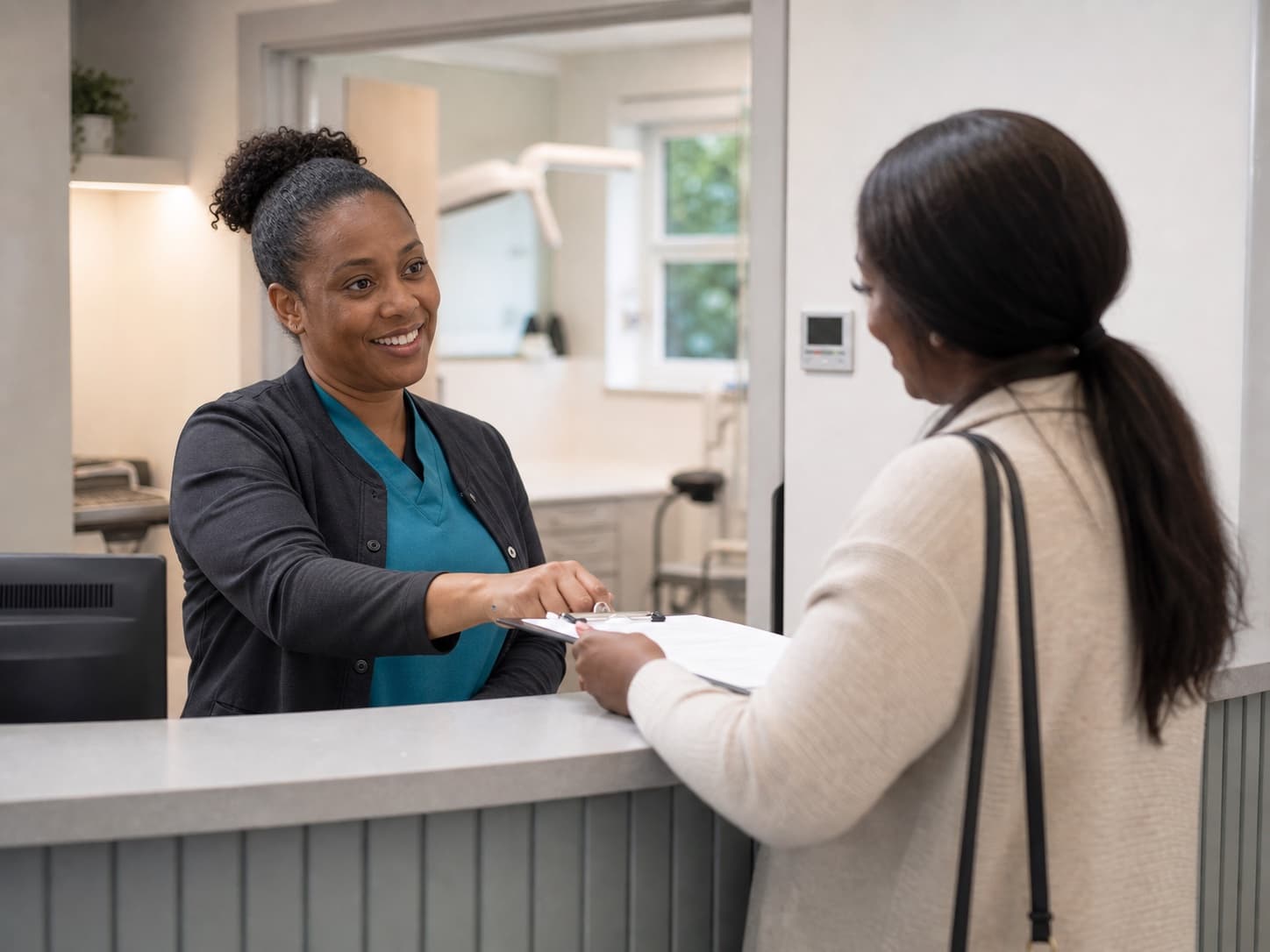
A dental practice doesn't miss calls because nobody is there. It misses them because one receptionist can't be in three places at once. Patients are checking in, payments are being taken, the afternoon list needs confirming, and the phone rings four times in forty minutes.
Three things follow from that:
- The phone is what gives. Something has to, and it's never the patient standing at the desk.
- The calls that fall through are the valuable ones. A new registration is years of routine care. A whitening or Invisalign enquiry is a course of treatment.
- Out of hours is the same problem again. Someone looks for a dentist at 7pm, finds you closed, and rings the next practice on the list.
Voicemail creates a second job rather than solving the first. Your receptionist has to listen back, ring out, and often miss the patient in return, all while the waiting room fills up.
The calls you miss
The lunchtime pile-up. Your receptionist is fielding check-in patients, processing payments, and confirming the afternoon list. The phone rings four times between 12:30 and 13:15. Two callers hang up. One leaves a voicemail that gets returned two days later. The fourth books with the practice around the corner.
New patient enquiries after hours. Someone moves to the area and wants to register. They search for a dentist, find your number, and call at 7pm. No answer. No easy way to register online. They try the next practice on the list.
The NHS versus private question. A caller wants to know if you're taking NHS patients. Your receptionist knows the answer. Your AI receptionist can too, once you configure it. The call is handled, the question answered, the enquiry captured.
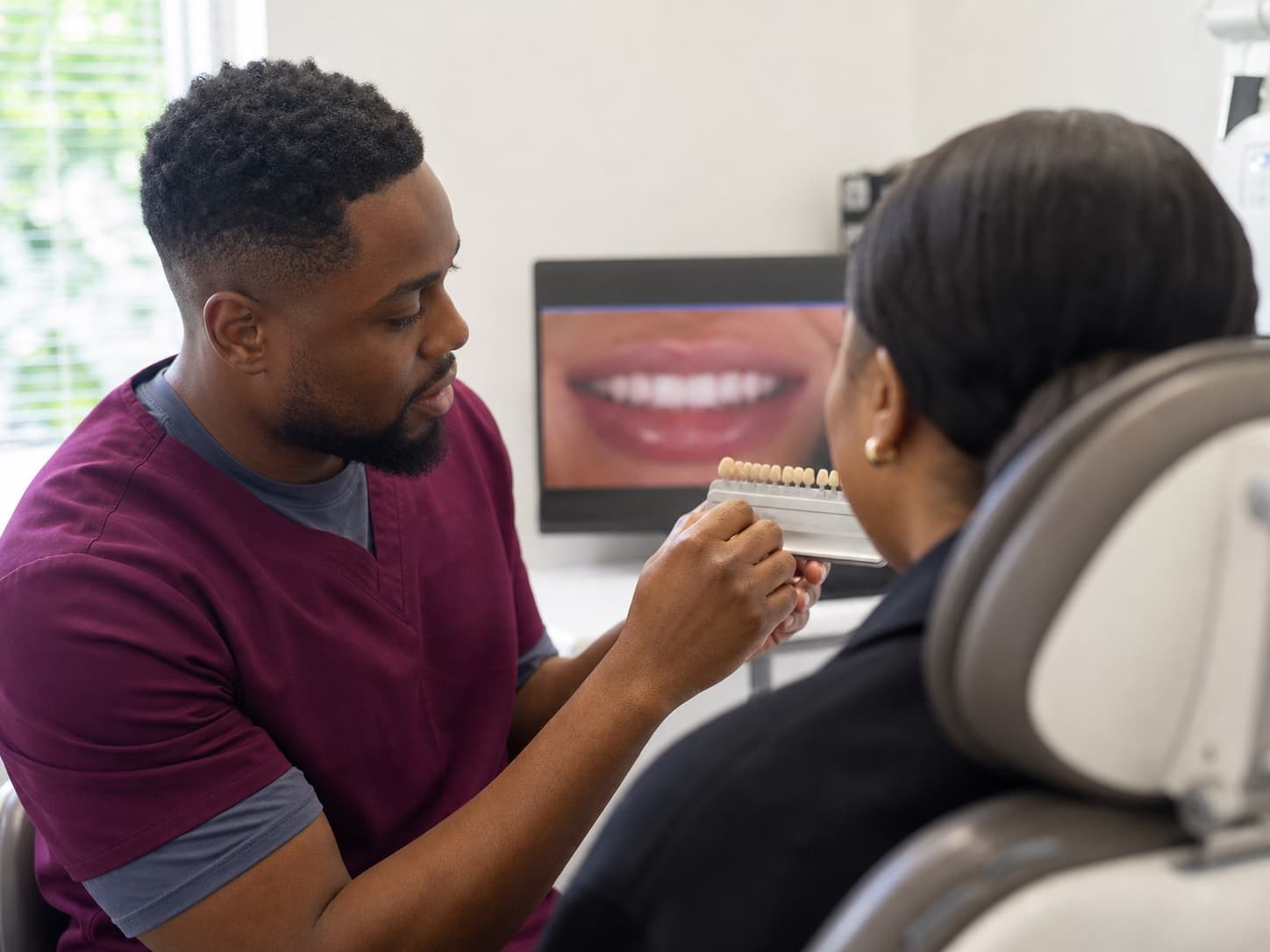
A cosmetic consultation enquiry. A patient wants to ask about whitening or Invisalign. Not urgent, but high value. If they reach voicemail they rarely call back.
How Telphi answers for a dental practice
Here is a realistic example of a new patient enquiry call Telphi handles during a busy morning.
Caller: "Hi, I'm looking to register with a dentist. Are you taking on new patients?"
Telphi: "Yes, we are. Are you looking for NHS or private registration?"
Caller: "Private, please."
Telphi: "Great. Is this for yourself, or for a family?"
Caller: "Just me to start with, but probably my partner as well."
Telphi: "And is there anything specific you'd like to be seen for at your first appointment, or is it mainly a check-up and x-rays?"
Caller: "Just a check-up to get started."
Telphi: "I'll send you a link to book your new patient appointment. Do you have a preference for morning or afternoon?"
Caller: "Morning if possible."
Telphi: "I'll send the booking link to this number now. You can pick a morning slot and book directly."
You get a summary: new private patient, individual registration, check-up and x-rays, prefers mornings, booking link sent. No callback required. The appointment is in the calendar.
What you get after every call
- A written summary with the caller's name, contact number, type of enquiry, and their preferences
- A full call transcript your reception team can review at any point
- A recording of the conversation
- Urgent call transfer mid-conversation for any call your team flags as needing immediate attention – you set the criteria
- Nuisance calls and obvious spam filtered before they reach your log
Booking without the callback
A missed enquiry call at a dental practice is rarely just a missed message. A new private patient, over the course of a year, is worth considerably more than a single appointment fee. A cosmetic consultation can represent a course of treatment worth hundreds of pounds.
Telphi texts the caller a booking link and they book directly into your calendar. No one calls them back. The slot is confirmed, the calendar updates, and your receptionist's attention stays on the patients in the waiting room.