The problem
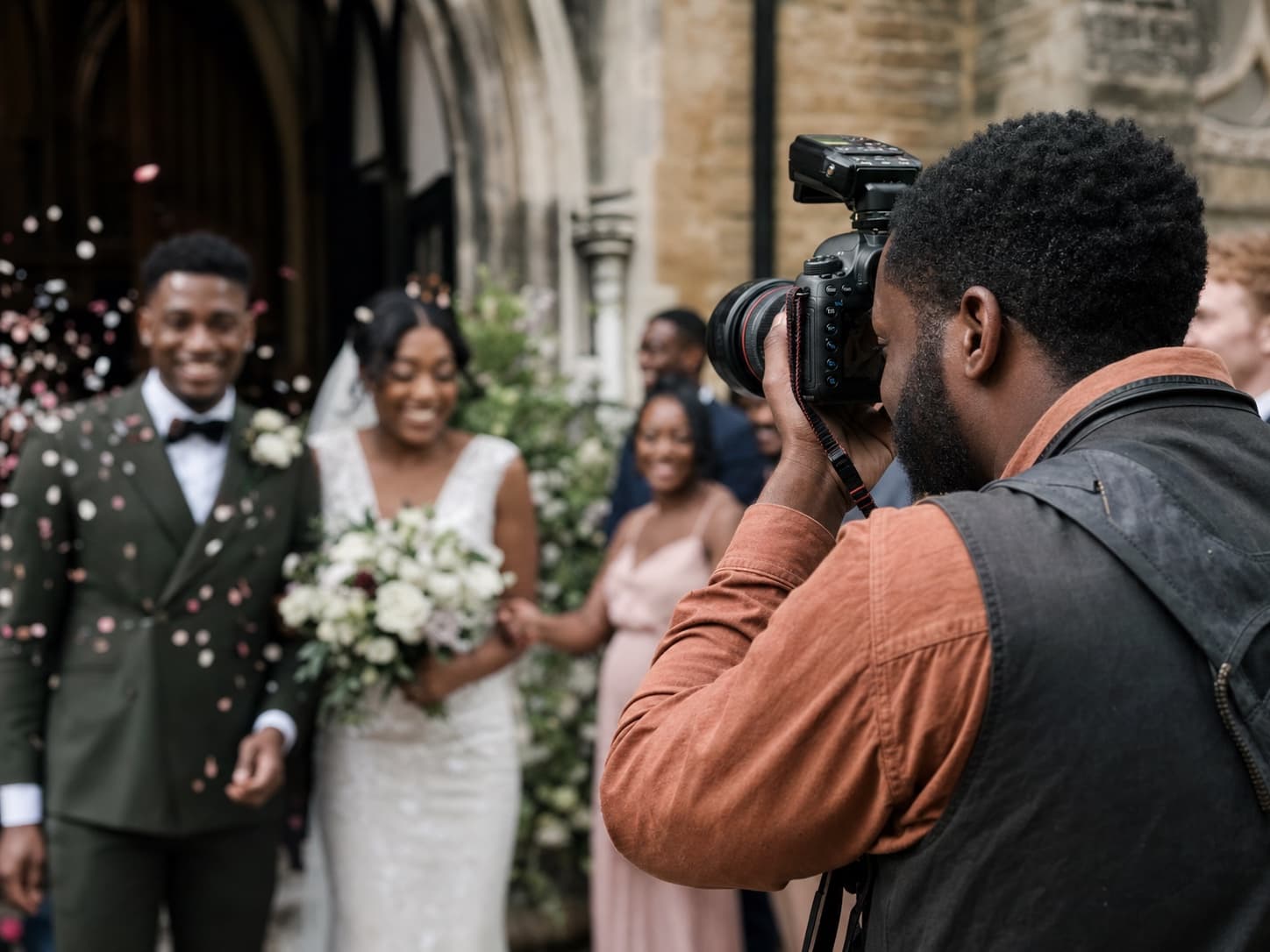
Photography has a scheduling conflict that's almost comic once you see it. Couples ring photographers on Saturdays, because that's when they're together with time to plan. Saturdays are when you're shooting someone else's wedding.
Three things follow from that:
- Your peak enquiry hours are your peak working hours. The same day, every week, all season.
- The stakes per call are unusually high. A full-day wedding is a four-figure booking, and there are only so many Saturdays in a year.
- Couples compare fast and decide fast. Three or four photographers in an afternoon. Whoever answers, or captures the date and follows up the same day, wins a disproportionate share.
Post-production makes it worse. Editing a two-thousand-image gallery is deep work. You surface hours later to a missed call from a number you can't place.
The calls you miss
The Saturday wedding enquiry – while you are at a wedding. Couples book photographers 12–18 months in advance. They often start ringing around on a Saturday, when they are together and have time. That is exactly when you are shooting someone else's wedding. One ring, no answer, and they have moved on to the next name on their list.
The venue referral at the worst moment. A hotel coordinator passes on your number to an engaged couple. They call on a Friday afternoon while you are in the middle of editing a 2,000-image gallery. You see the missed call three hours later. By then they have already spoken to two other photographers.
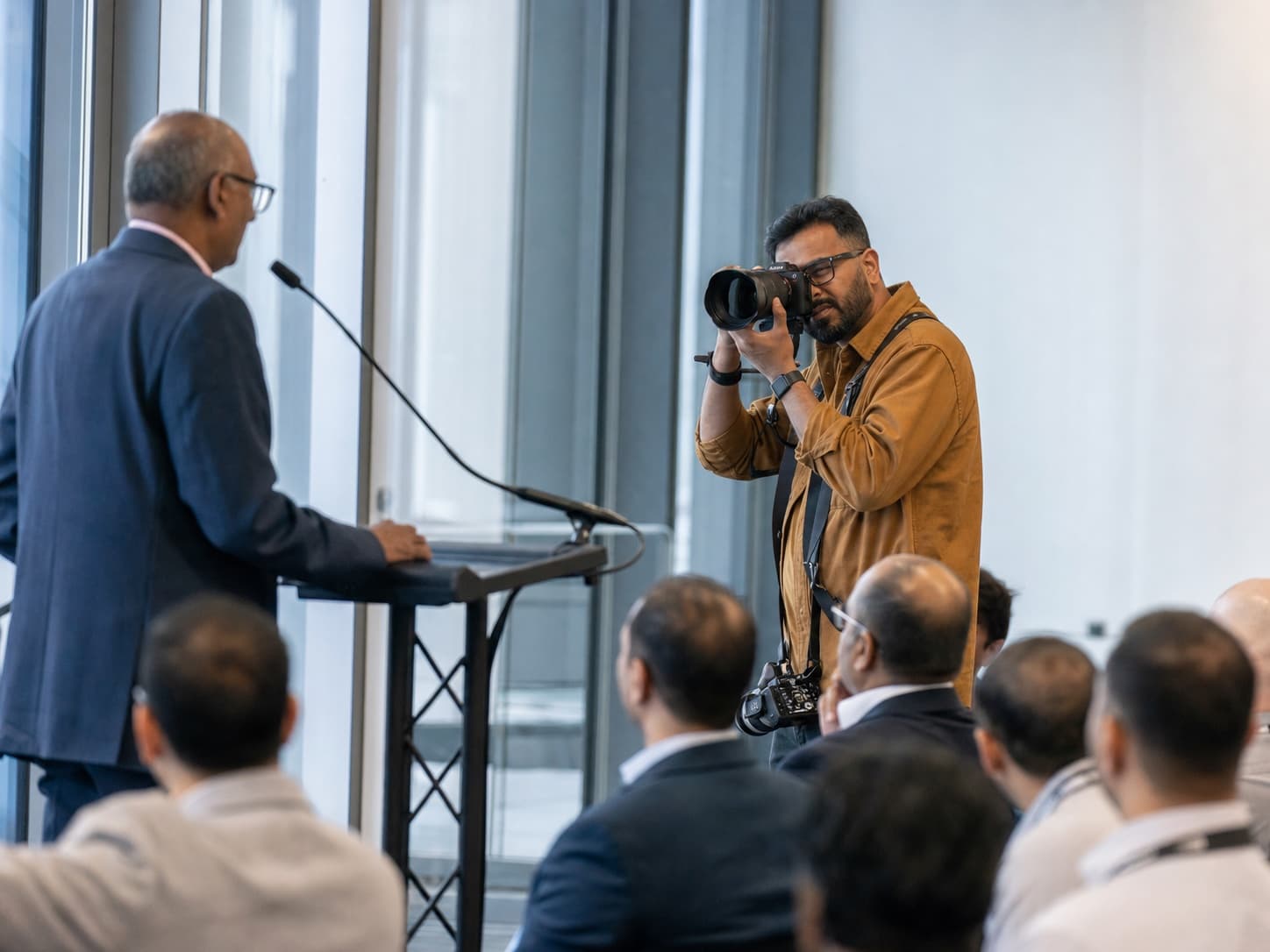
The corporate event enquiry. A marketing manager needs a photographer for a product launch next month. They ring from their desk at 11am on a Tuesday. You are on a family portrait session. They cannot leave a voicemail with the brief they need to communicate, so they hang up and try someone else.
The rebooking that slips. A client from three years ago wants you for their sibling's wedding. They call on a Sunday. You are post-processing. They get voicemail, assume you are busy, and book someone they know is available because they answered.
How Telphi answers for a photographer
Here is a realistic example of a wedding enquiry Telphi handles while you are shooting.
Caller: "Hi, I'm looking for a wedding photographer. I got your name from a friend."
Telphi: "That's great. A few quick questions to see if we are available for your date. When is the wedding?"
Caller: "14th June next year."
Telphi: "And what is the venue, or the rough area?"
Caller: "It's in Surrey – a place called Elstead."
Telphi: "Lovely. Is it a full-day booking you are looking for, or just ceremony and reception?"
Caller: "Full day, ceremony through to the first dance."
Telphi: "Do you have a rough budget in mind for photography?"
Caller: "We were thinking around £1,500 to £2,000."
Telphi: "I'll send a message to this number now with a link to check availability and send over an enquiry form. Is there anything else you'd like me to pass on?"
Caller: "No, that's great, thank you."
You get a summary: wedding 14 June, Elstead Surrey, full day, budget £1,500–£2,000, enquiry form link sent. You follow up that evening with something personalised. The lead is not lost.
What you get after every call
- A written summary with the caller's name, contact number, event date, location, shoot type, and budget range
- A full call transcript to read when you are out of the shoot
- A recording of the conversation
- Urgent call transfer mid-conversation if someone needs to reach you directly – you configure what triggers a transfer
- Spam and sales calls filtered before they reach your log
The enquiry window is short
Couples comparing photographers ring several in the same afternoon. The one who responds first, or at least captures the enquiry and follows up the same day, wins the booking disproportionately often. Telphi captures every detail so your follow-up is informed rather than a generic "sorry I missed your call."
A wedding booking at £1,500–£2,500 is a single job. Losing two or three of those in a year to a missed call is a meaningful revenue gap. Not a rounding error.