The problem
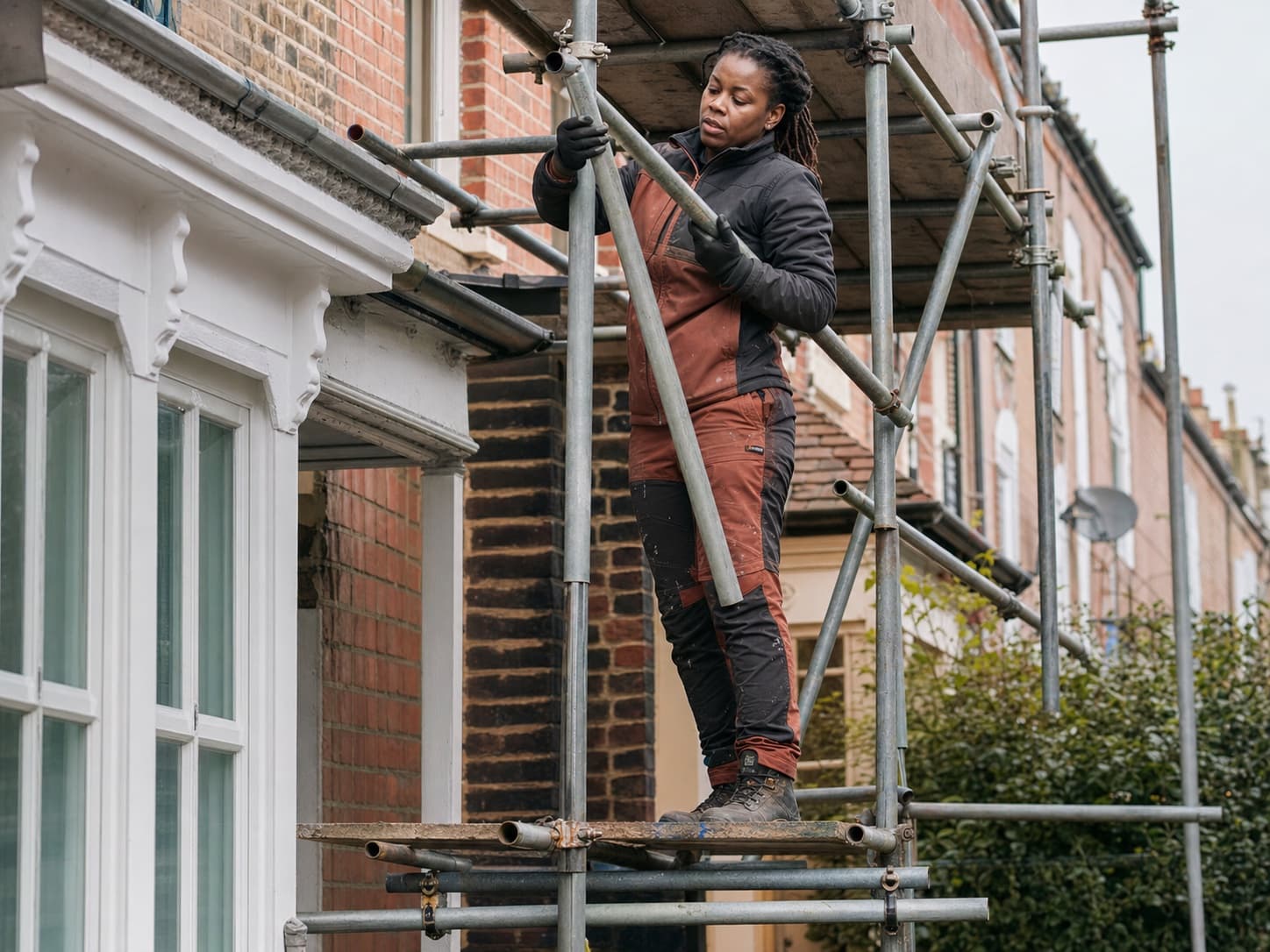
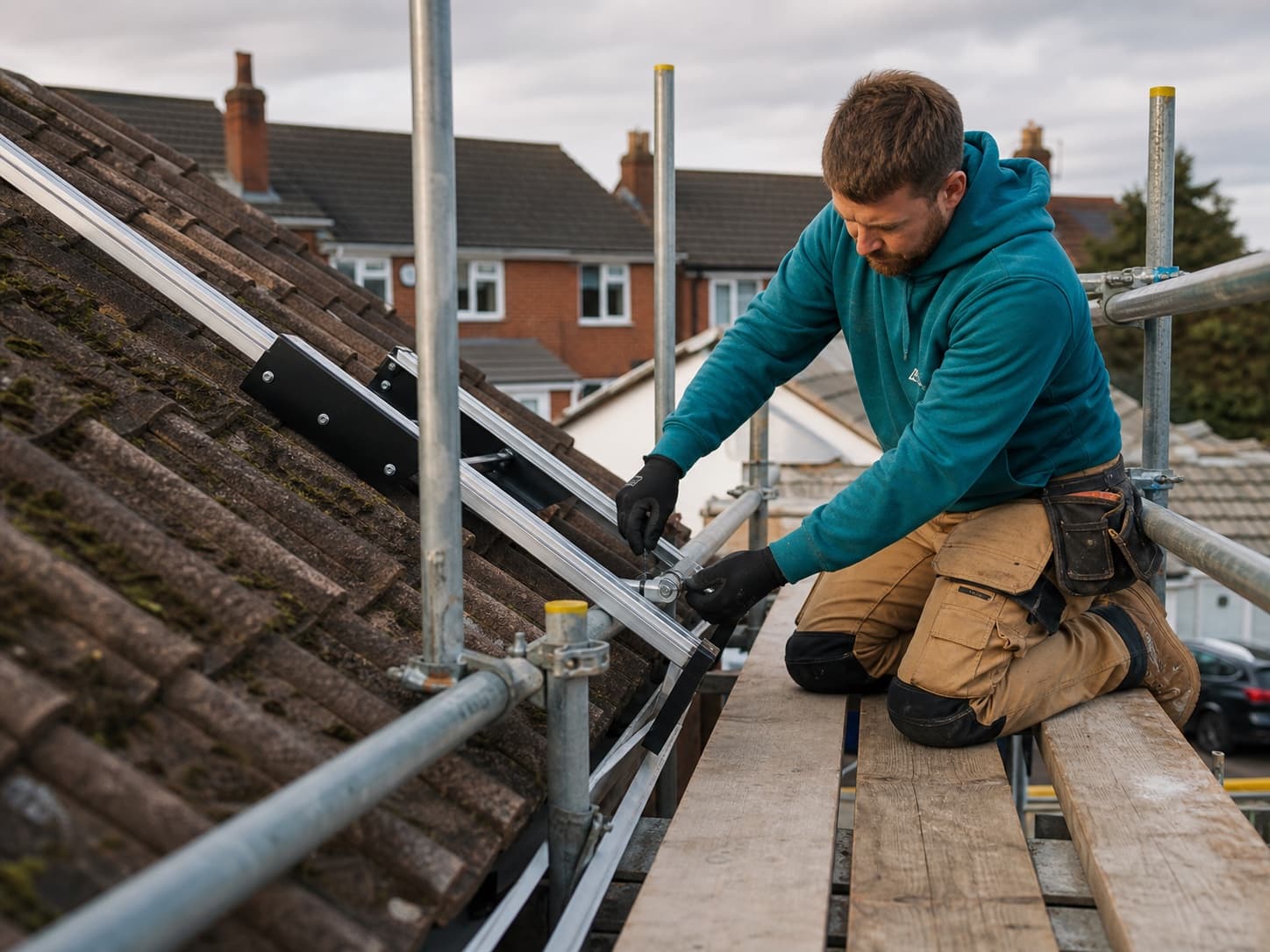
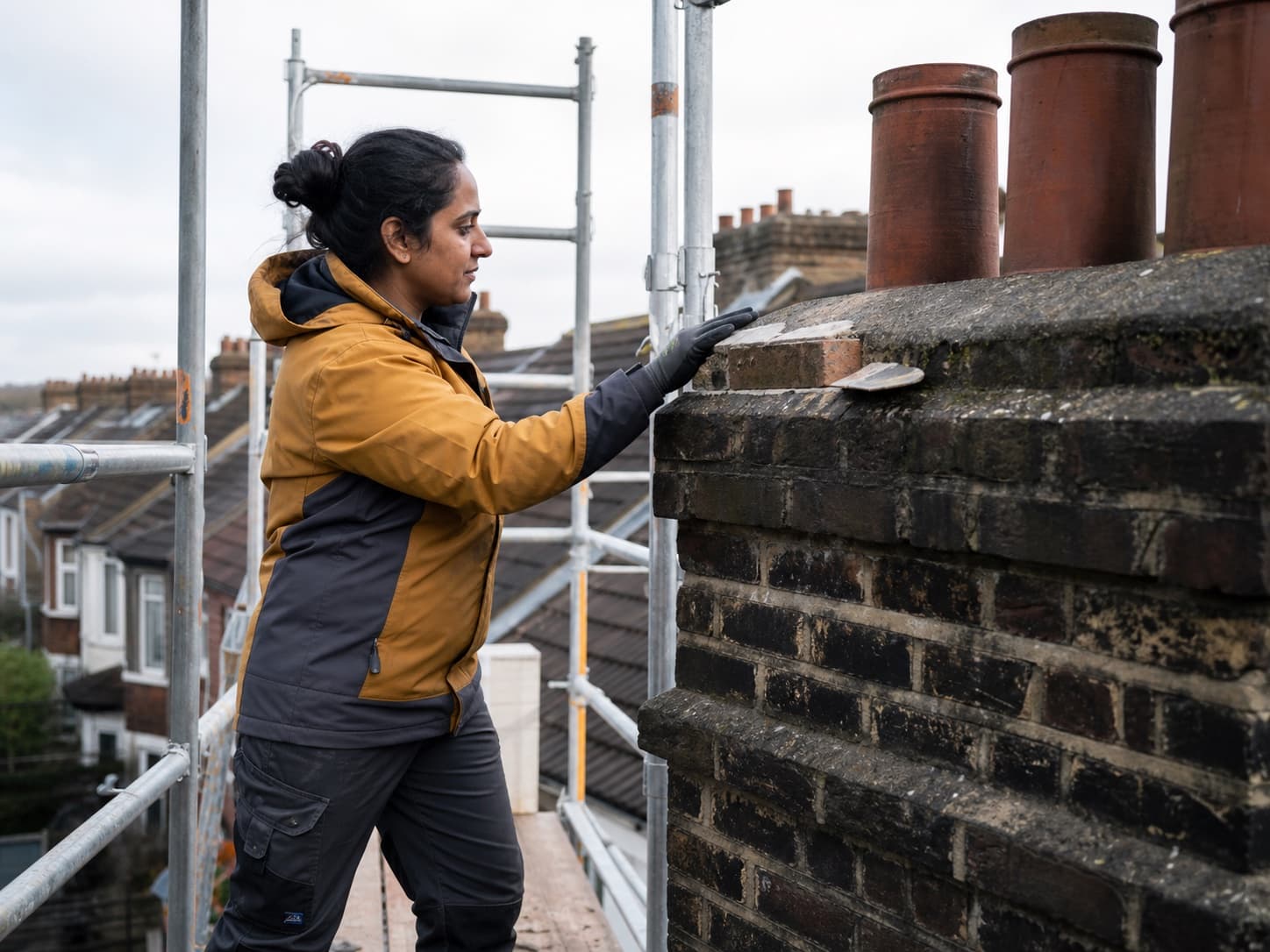
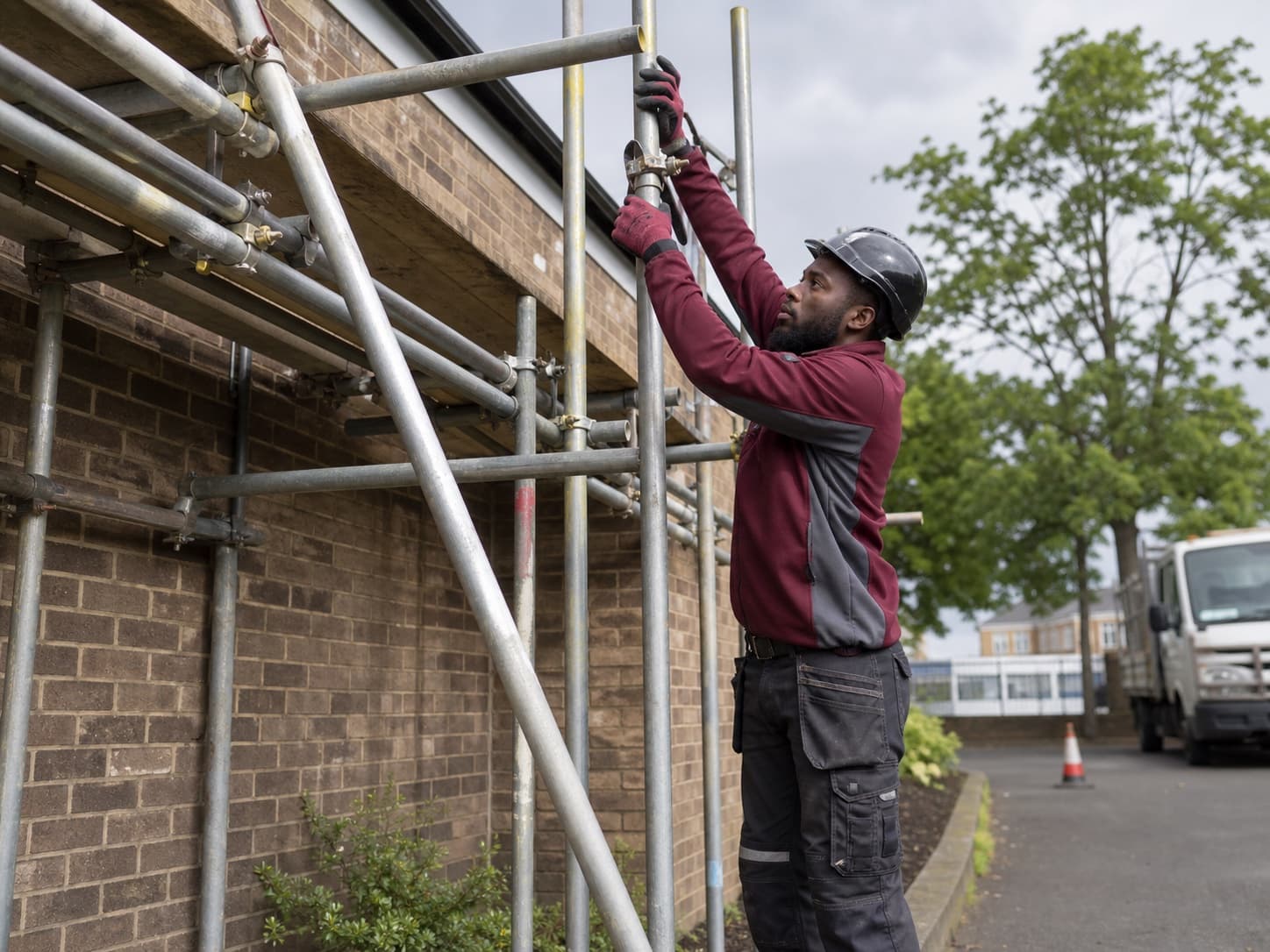
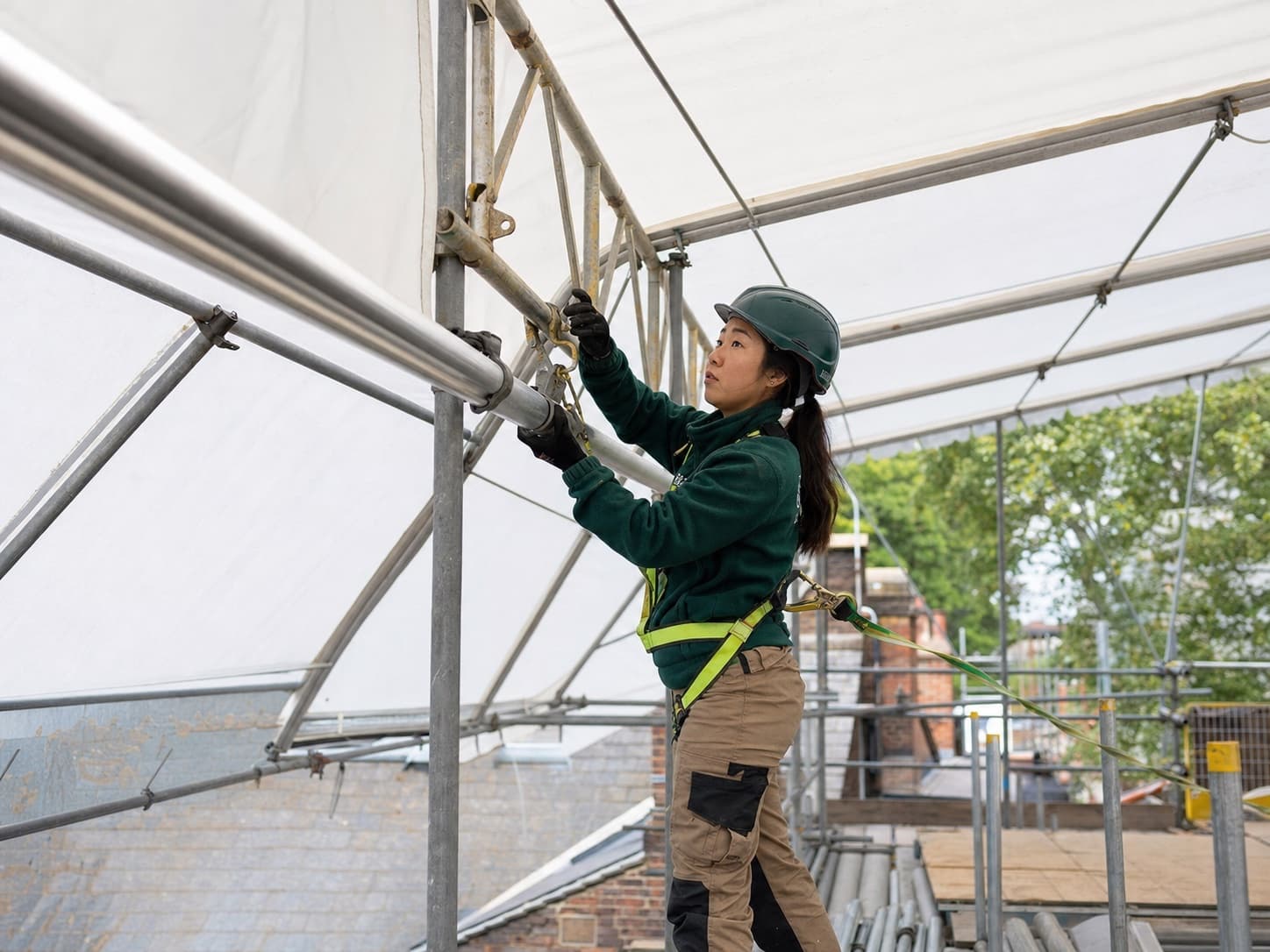
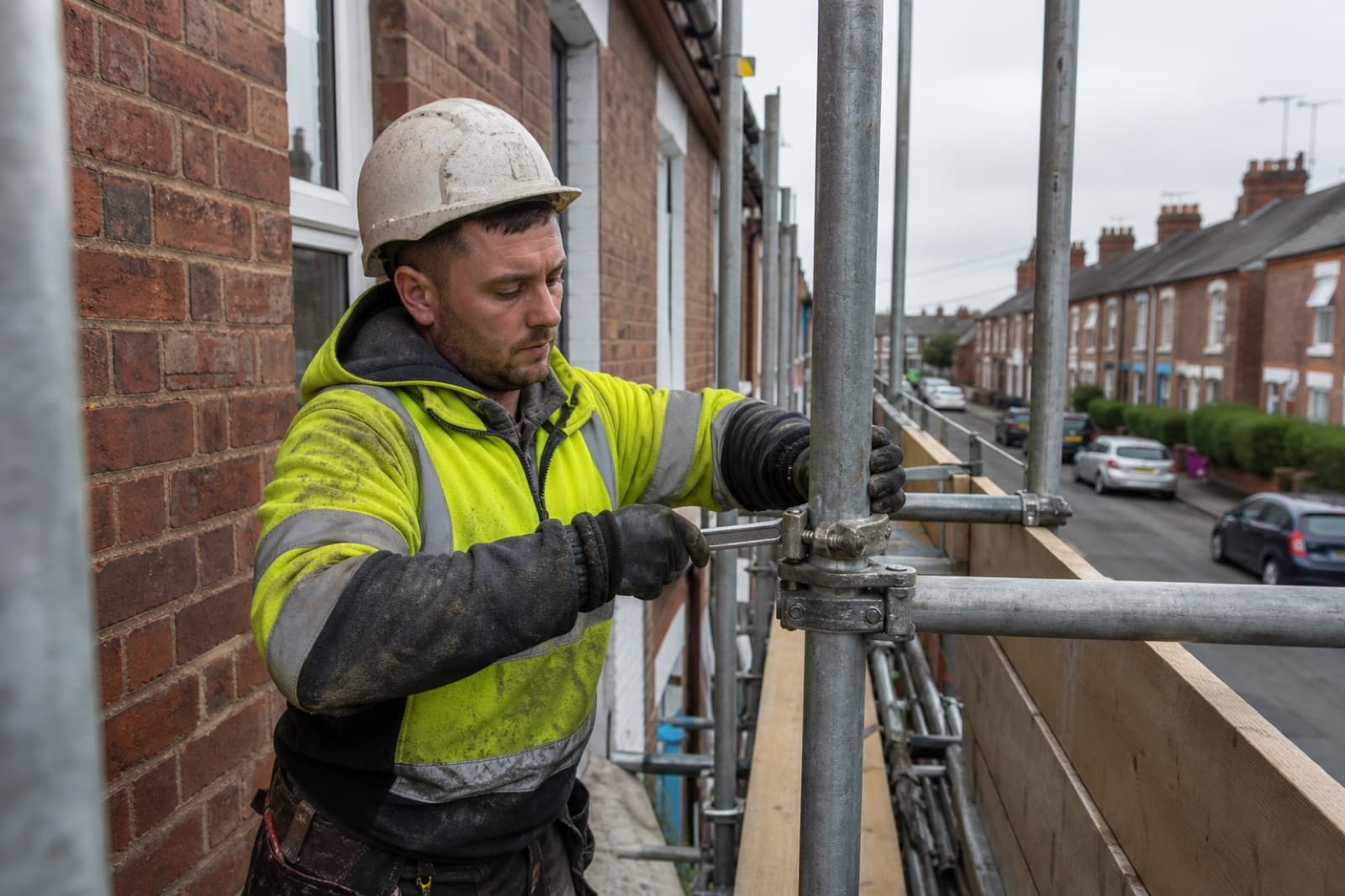
Scaffolding is safety-critical work. When you're clipping ledgers or working a lift, your hands, eyes, and attention are all committed. Answering a phone up there isn't a decision you get to weigh up.
Three things follow from that:
- The rhythm makes it worse. A gang works to a tight erect or strip sequence with a site manager waiting. Breaking off mid-sequence costs everyone on site, so nobody does it.
- Your hours don't line up with your callers'. Erections start at 7am. Enquiry calls start landing from 8am, when you're already three hours into physical work.
- You can't tell the big ones from the small. A one-off domestic job and a house builder with a development's worth of work look identical on a list of unknown numbers.
That second kind is repeat work across multiple sites. Missing it doesn't cost you a job, it costs you a client.
The calls you miss
- At height with both hands occupied. You're clipping ledgers, working a lift, or directing a crew on a multi-storey erection. Answering the phone is genuinely not safe. The call goes to voicemail; the caller moves to the next number.
- On a tight erect or strip schedule. A scaffolding gang works to a tight sequence. The site manager needs the scaffold ready on time, your crew is in flow, and a ring from a potential new client is an interruption nobody can afford mid-sequence.
- Early starts before business hours. Scaffold erections often begin at 7am to clear the site for other trades. Client calls and new enquiries start landing from 8am – while you're already working.
- Multiple sites running simultaneously. A scaffolding contractor managing two or three crews at once is coordinating materials, deliveries, and site queries constantly. A new enquiry call gets buried, then forgotten.
How Telphi answers for a scaffolding contractor
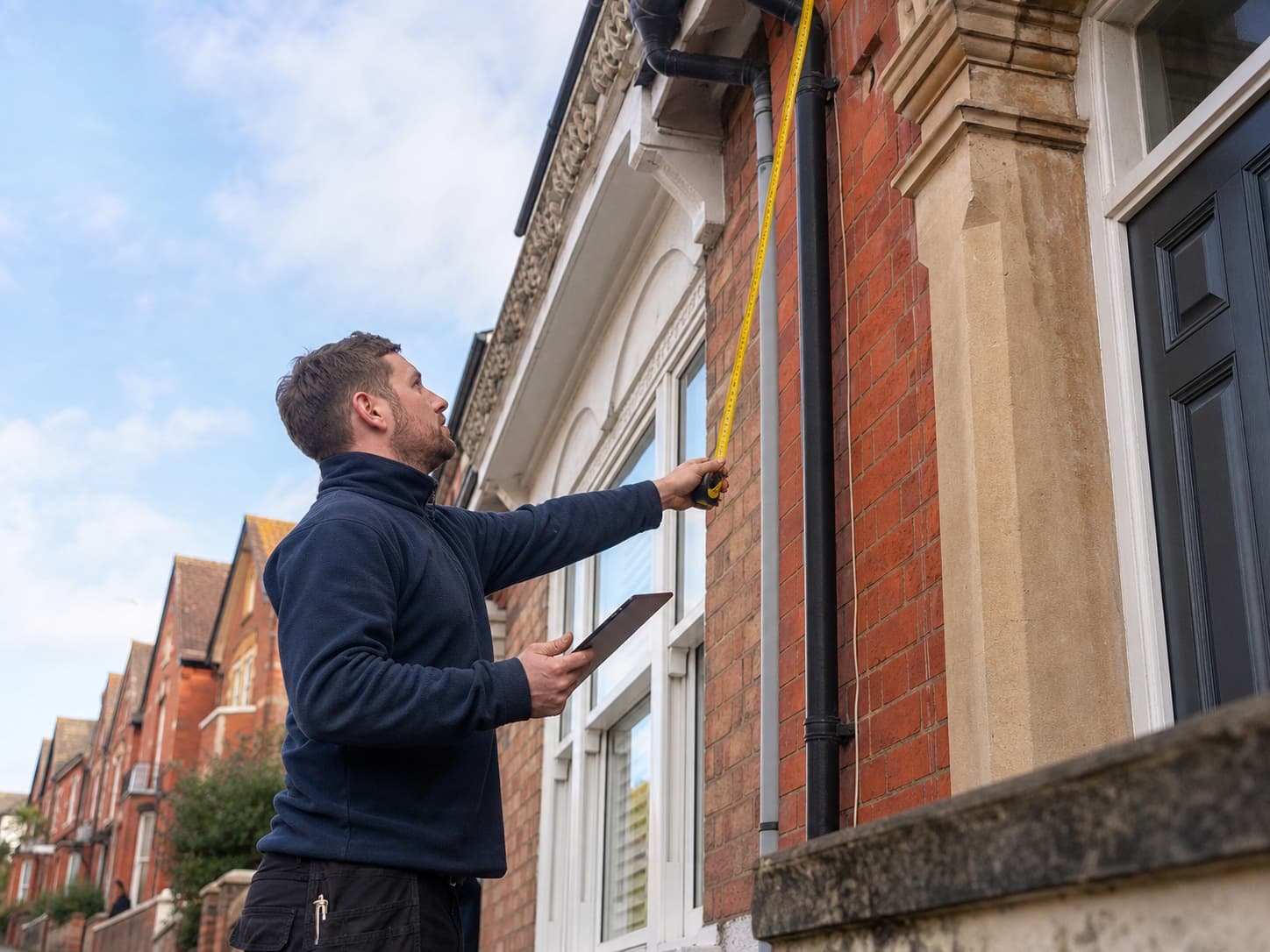
Scaffolding quotes depend on structure type, access constraints, duration, and who else is working on site. Telphi gathers the information you need to price a job before you've set foot on the property.
Caller: "Hi, I need some scaffolding put up for a roof job. Can you give me a price?"
Telphi: "Of course. Is this for a domestic property or a commercial site?"
Caller: "Domestic. Three-storey Victorian terrace."
Telphi: "Understood. Is the work on the front elevation, rear, or both sides?"
Caller: "Front only. The roofer needs access to the chimney stack."
Telphi: "Got it. Do you have a rough idea of how long the scaffold needs to be in place – a few days, a week, or longer?"
Caller: "The roofer says about a week."
Telphi: "Thanks. Is there a pavement licence needed, or is there off-road space in front of the property for the base?"
Caller: "There's a small front garden but it's tight. Might need a licence."
Telphi: "Good to know – we'll factor that in when we price it up. What's the property postcode?"
Caller: "SE22."
Telphi: "Perfect. I'll send you a link to book a site visit so we can confirm the specification and get you a firm price."
Your summary lists: property type, elevation, structure (chimney stack), duration, licensing flag, and postcode. You can send the right person to survey before you've called back.
What you get after every call
The Telphi app delivers a full summary, transcript, and recording after every handled call. A scaffolding enquiry from a main contractor or house builder – the kind that represents repeat work – is flagged differently from a one-off domestic job if you configure your priority rules accordingly.
If a site manager or client needs to reach you urgently mid-erect, Telphi can transfer that call to you in real time. Routine enquiries and new leads are handled without interrupting your crew.
Booking
After qualifying the caller, Telphi texts them a booking link. They pick a site-visit or survey slot from your available calendar. The appointment confirms automatically. No callbacks required, no diary errors.